Pinpoint where new users stall in your application onboarding funnel.
Toolkit Work conducts systematic telemetry audits and step-by-step funnel drop-off investigations for web and mobile applications. We diagnose instrumentation blindspots, untangle noisy event taxonomies, and map precise drop-off friction across your critical first-run journey.
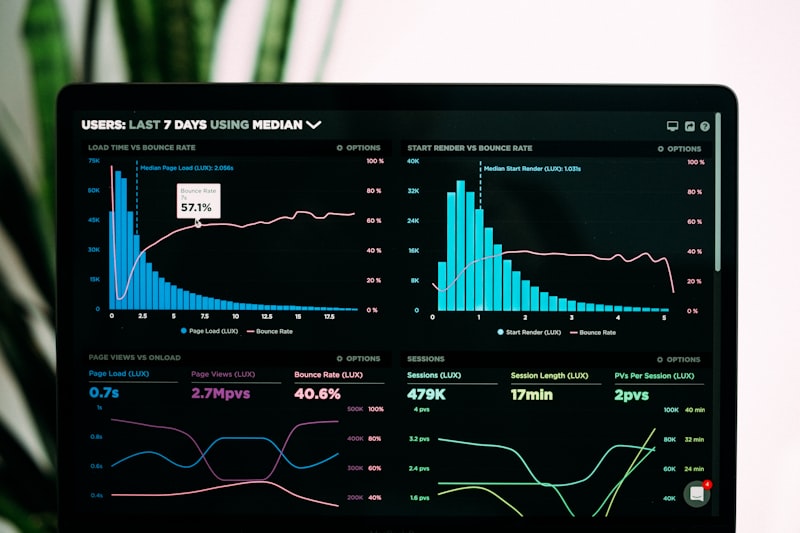
The Onboarding Funnel Diagnostic Audit
A rigorous, structured review of your application's initial user journey, from signup authentication to first key milestone completion.
Find out why signups leave before completing your activation sequence.
Most product teams see high signup drop-offs but lack reliable instrumentation to understand which screen, permission step, data entry prompt, or silent client error triggered the exit. Our flagship audit unpacks the entire sequence with event verification, step-by-step drop-off analysis, and an actionable remediation blueprint.
- ✓ Full Event Taxonomy Audit: Inspect schema consistency across client and server payload properties.
- ✓ Funnel Friction Mapping: Identify specific screens, validation failures, and timeout bottlenecks.
- ✓ Executive & Engineering Deliverables: Telemetry specification sheet and prioritized technical action matrix.
// Core Audit Breakdown
Specialized Analytics Advisory Services
Whether you need a full onboarding overhaul or targeted telemetry validation, our structured engagements deliver clear technical clarity.
Event Taxonomy Architecture
Design a standardized, scalable naming schema and property dictionary for user events across web, iOS, and Android applications.
View Scope & Details →Activation Drop-off Investigation
Deep-dive diagnostics into why registered accounts abandon before reaching your product's defined "first value" milestone.
View Scope & Details →Telemetry Stack Verification
Independent code-level audit of client SDK implementations, payload triggers, tracking latency, and privacy compliance filters.
View Scope & Details →How We Conduct Funnel & Telemetry Audits
We work alongside your engineering and product leads through a calm, systematic diagnostic process.
Instrumentation Intake
We review your current event schema, client tracking hooks, and onboarding screen flow diagrams.
Friction Diagnostic
We trace real cohort progression, pinpointing exact screens where drop-offs concentrate.
Payload Validation
We verify that event properties match real user behaviors without silent drops or duplicate counts.
Remediation Plan
We hand over a clean event dictionary and technical roadmap to fix funnel leak points.
Field Evidence from Recent Audits
Real feedback from engineering directors and product managers who commissioned our diagnostic engagements.
"During our cross-platform onboarding migration, we had unexplained drops between organization setup and member invitation. Toolkit Work identified that our Android client was silently failing to fire the workspace creation confirmation event when network latency exceeded 800ms. Fixing that single instrumentation flaw cleared up our reporting and allowed us to redesign the permission step with actual data."

"Our event names were an accumulated mess across three engineering teams over four years. Toolkit Work spent two weeks cataloging every orphaned property and delivered a clean dictionary. The initial review process required more internal coordination meetings than we initially budgeted for, but the resulting standardized naming convention prevented another rebuild."

Application Analytics Guides
Practical articles on telemetry design, onboarding instrumentation, and funnel measurement hygiene.

Four Common Telemetry Mistakes in Mobile & Web Onboarding Funnels
Avoid common architectural pitfalls that distort onboarding funnel metrics, duplicate counts, and mask user drop-offs.
Read Article →
Measuring Time-to-First-Value Without Vanity Metrics
Why traditional signup completion metrics fail to predict user retention, and how to measure true value delivery.
Read Article →
Designing Clean Event Taxonomies for Product Onboarding
A practical blueprint for structuring scalable, self-documenting event schemas across web, iOS, and Android clients.
Read Article →Schedule an Onboarding Funnel Diagnostic
Speak directly with our Nakhon Ratchasima advisory team about your application's current onboarding flow, tracking setup, and drop-off concerns.